研究成果
Oct, 2021
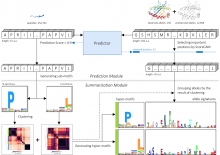
The selection of peptides presented by MHC molecules is crucial for antigen discovery. Previously, several predictors have shown impressive performance on binding affinity. However, the decisive MHC residues and their relation to the selection of binding peptides are still unrevealed. Here, we connected HLA alleles with binding motifs via our deep learning-based framework, MHCfovea. MHCfovea expanded the knowledge of MHC-I-binding motifs from 150 to 13,008 alleles. After clustering N-terminal and C-terminal sub-motifs on both observed and unobserved alleles, MHCfovea calculated the hyper-motifs and the corresponding allele signatures on the important positions to disclose the relation between binding motifs and MHC-I sequences. MHCfovea delivered 32 pairs of hyper-motifs and allele...
Oct, 2021
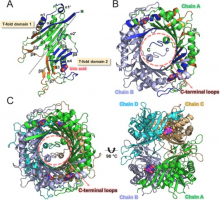
Microbial urate oxidase has emerged as a potential source of therapeutic properties for hyperuricemia in arthritic gout and renal disease. The thermostability and long-term thermal tolerance of the enzyme need to be established to prolong its therapeutic effects. Here, we present the biochemical and structural aspects of a hyperthermostable urate oxidase (TbUox) from the thermophilic microorganism Thermobispora bispora. Enzymatic characterization of TbUox revealed that it was active over a wide range of temperatures, from 30 to 70 °C, with optimal activity at 65 °C and pH 8.0, which suggests its applicability under physiological conditions. Moreover, TbUox exhibits high thermostability from 10 to 65 °C, with Tm of 70.3 °C and near-neutral pH stability from pH 7.0 to 8.0 and high thermal...
Aug, 2021
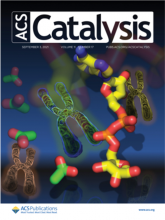
O-Acetyl-ADP-ribose (OAADPR) is a signaling molecule identified from the conserved sirtuin reaction in Saccharomyces cerevisiae, involved in the important cellular functions of gene silencing, redox regulation, and aging. Here, we performed biochemical and structural characterization of the yeast Poa1p macro domain in detail, uncovering an unusual deacetylase activity favoring 3″- and 1″-isomers of O-acetyl-ADP-ribose. The unique active-site residues of Poa1p contributing to the distinct substrate specificity thus shed light on the divergent branch of a POA1-like subclass. Moreover, disruption of Poa1p expression in yeast showed a striking sensitivity to transcriptional stress, which implies a physiological role in response to nucleotide depletion. These findings provide biochemical and...
Jul, 2021
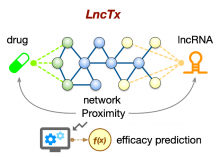
LncTx is a network-based method to repurpose drugs that potentially act on lncRNAs in lung cancer. By calculating the proximity between the drug targets and the lncRNA-correlated proteins in the protein-protein interaction (PPI) network, LncTx accurately differentiates anticancer drugs from non-anticancer drugs. Furthermore, the drugs with smaller proximity (proximal drugs) are more effective than the distal drugs. This novel method provides a framework to repurpose old drugs acting on lncRNAs in lung cancer.
May, 2021
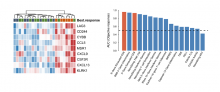
Reversal of CD8 T-cell exhaustion was considered a major antitumor mechanism of anti-programmed cell death-1 (PD-1)/ anti-programmed death ligand-1 (PD-L1)-based immune checkpoint inhibitor (ICI) therapy. The aim of this study was to identify markers of T-cell exhaustion that is best associated with ICI treatment efficacy for advanced hepatocellular carcinoma (HCC). Here, we identified a 9-gene signature (LAG3, CD244, CCL5, CXCL9, CXCL13, MSR1, CSF3R, CYBB, and KLRK1) which was functionally associated with CD8 T cell exhaustion. This 9-gene signature had similar predictive values for patients who received single-agent or combination ICI therapy and was not associated with prognosis in HCC patients who received surgery, suggesting that it may outperform other T-cell signatures for...
May, 2021
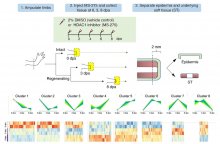
Sophisticated axolotl limb regeneration is a highly orchestrated process that requires highly regulated gene expression and epigenetic modification patterns at precise positions and timings. We previously demonstrated two waves of post-amputation expression of a nerve-mediated repressive epigenetic modulator, histone deacetylase 1 (HDAC1), at the wound healing (3 days post-amputation; 3 dpa) and blastema formation (8 dpa onward) stages in juvenile axolotls. Limb regeneration was profoundly inhibited by local injection of an HDAC inhibitor, MS-275, at the amputation sites. To explore the transcriptional response of post-amputation axolotl limb regeneration in a tissue-specific and time course-dependent manner after MS-275 treatment, we performed transcriptome sequencing of the epidermis...
Jan, 2021
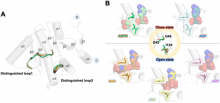
The macro domain is an ADP-ribose (ADPR) binding module, which is considered to act as a sensor to recognize nicotinamide adenine dinucleotide (NAD) metabolites, including poly ADPR (PAR) and other small molecules. The recognition of macro domains with various ligands is important for a variety of biological functions involved in NAD metabolism, including DNA repair, chromatin remodeling, maintenance of genomic stability, and response to viral infection. Nevertheless, how the macro domain binds to moieties with such structural obstacles using a simple cleft remains a puzzle. We systematically investigated the Middle East respiratory syndrome-coronavirus (MERS-CoV) macro domain for its ligand selectivity and binding properties by structural and biophysical approaches. Of interest, NAD,...
Jan, 2021
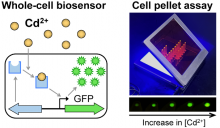
Whole-cell biosensors are useful for monitoring heavy metal toxicity in public health and ecosystems, but their development has been hindered by intrinsic trade-offs between sensitivity and specificity. Here we demonstrated an effective engineering solution by building a sensitive, specific, and high-response biosensor for carcinogenic cadmium ions. We genetically programmed the metal transport system of Escherichia coli to enrich intracellular cadmium ions and deprive interfering metal species. We then selected 16 cadmium-sensing transcription factors from the GenBank database and tested their reactivity to 14 metal ions in the engineered E. coli using expression of the green fluorescent protein as the readout. The resulting cadmium biosensor was highly specific and showed a detection...
Jan, 2021
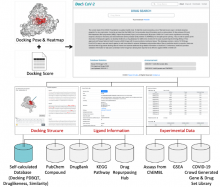
The current state of the COVID-19 pandemic is a global health crisis. To fight the novel coronavirus, one of the best-known ways is to block enzymes essential for virus replication. Currently, we know that the SARS-CoV-2 virus encodes about 29 proteins such as spike protein, 3C-like protease (3CLpro), RNA-dependent RNA polymerase (RdRp), Papain-like protease (PLpro), and nucleocapsid (N) protein. SARS-CoV-2 uses human angiotensin-converting enzyme 2 (ACE2) for viral entry and transmembrane serine protease family member II (TMPRSS2) for spike protein priming. Thus in order to speed up the discovery of potential drugs, we develop DockCoV2, a drug database for SARS-CoV-2. DockCoV2 focuses on predicting the binding affinity of FDA-approved and Taiwan National Health Insurance (NHI) drugs with...
Sep, 2020
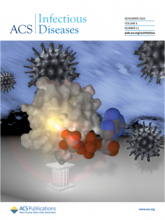
The pandemic outbreak of a novel coronavirus, severe acute respiratory syndrome coronavirus 2 (SARS-CoV-2), has threatened the global public health and economy since late December 2019. SARS-CoV-2 encodes the conserved macro domain within nonstructural protein 3, which may reverse cellular ADP-ribosylation and potentially cut the signal of a viral infection in the cell. Herein, we report that the SARS-CoV-2 macro domain was examined as a poly-ADP-ribose (ADPR) binding module and possessed mono-ADPR cleavage enzyme activity. After confirming the ADPR binding ability via a biophysical approach, the X-ray crystal structure of the SARS-CoV-2 macro domain was determined and structurally compared with those of other viruses. This study provides structural, biophysical, and biochemical bases to...